Watershed Management
Watershed Management in the Ethiopian Highlands
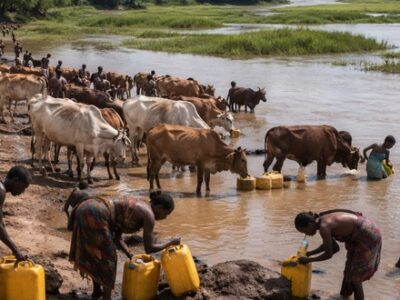
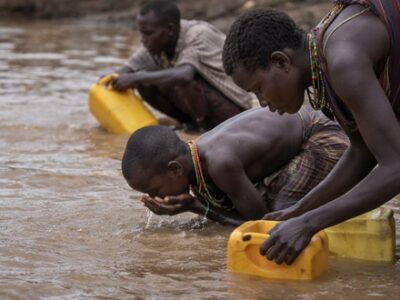
The Ethiopian highlands are often referred to as the water tower of East Africa, as many major rivers originate from these mountainous regions. However, decades of land degradation, soil erosion, and deforestation have significantly affected watershed stability and water resources.
In many parts of the highlands, heavy seasonal rainfall combined with steep slopes can lead to severe soil erosion. When topsoil is washed away, rivers carry large amounts of sediment downstream, reducing agricultural productivity and affecting reservoirs and irrigation systems.
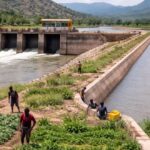
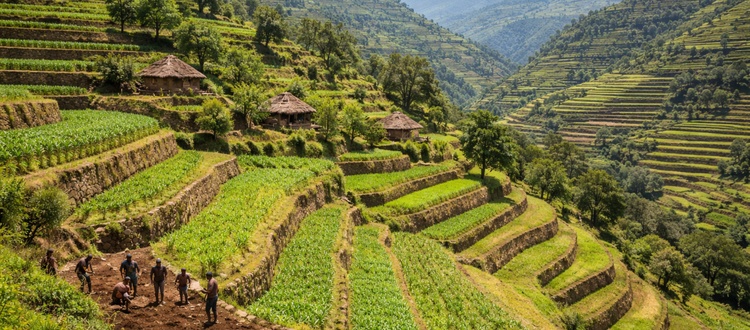
To address these challenges, watershed management programs have been implemented across Ethiopia. These initiatives focus on soil and water conservation measures such as terracing, reforestation, check dams, and hillside stabilization. These interventions help slow surface runoff, reduce erosion, and improve groundwater recharge.
Community participation plays a crucial role in the success of watershed rehabilitation projects. Local farmers often work together to build terraces, plant trees, and protect degraded land from overgrazing.
Over time, well-managed watersheds can restore vegetation, improve soil fertility, and enhance water availability for agriculture and domestic use. By protecting the upstream landscape, watershed management also helps regulate river flows and reduce flooding downstream.
As Ethiopia continues to face climate variability and increasing water demand, sustainable watershed management remains essential for protecting the country’s vital water resources.