Baro–Akobo Basin
Hydrological Importance of the Baro–Akobo Basin in the Gambela Region
The Gambela region in western Ethiopia is home to one of the country’s most significant hydrological systems: the Baro–Akobo River Basin. This basin forms part of the larger Nile River system and plays a crucial role in regional water resources, ecosystems, and cross-border hydrology.
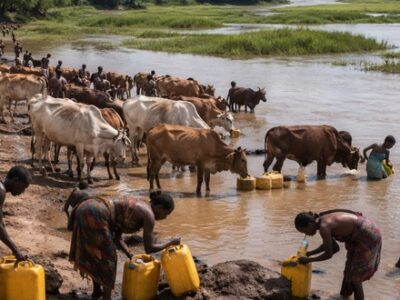
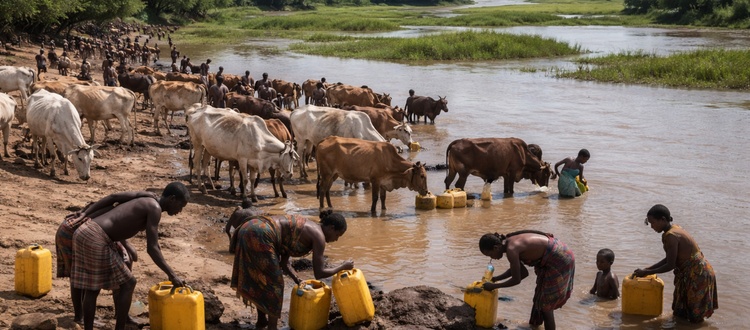
Unlike many parts of Ethiopia that experience water scarcity, the Gambela region receives relatively high rainfall and supports extensive river networks and seasonal wetlands. The Baro River, one of the main tributaries of the White Nile, carries substantial volumes of water during the rainy season and contributes significantly to downstream flows.
Understanding the hydrology of this basin is essential for sustainable water resource management. Seasonal rainfall patterns, floodplain dynamics, groundwater interactions, and sediment transport all influence how water moves through the region. These processes also shape local agriculture, ecosystems, and livelihoods.
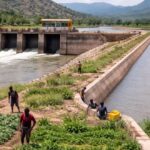
The basin’s hydrological behavior is closely connected to broader developments in the Nile system, including large-scale water infrastructure such as the Grand Ethiopian Renaissance Dam (GERD) on the Blue Nile. While the GERD is located in a different basin, regional hydrological understanding remains essential for coordinated water management across the Nile Basin.
Hydrological studies in the Gambela region can support improved flood management, agricultural planning, ecosystem protection, and regional water cooperation. Accurate data, monitoring networks, and modern hydrological modeling tools are essential for understanding how water resources evolve in response to climate variability and land-use changes.
Our team continues to follow developments in the region and to explore opportunities where hydrological expertise can contribute to sustainable water management and regional development.