Flood Risk Management
Flood Risk Management in Ethiopian River Basins
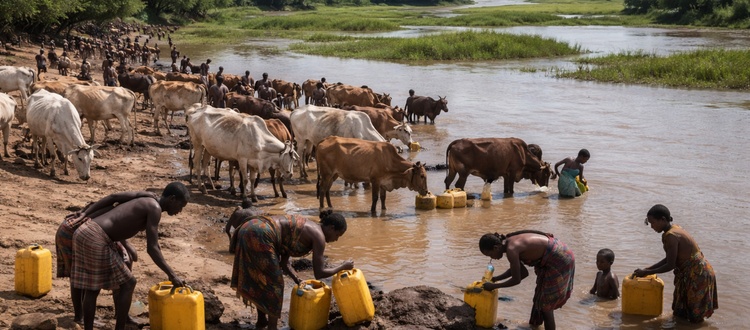
Seasonal flooding remains a significant challenge in several Ethiopian river basins, particularly in lowland areas where large rivers overflow during the rainy season. Regions such as Gambela, the Baro–Akobo basin, the Awash basin, and parts of the Omo Valley frequently experience flooding that affects communities, agriculture, and infrastructure.
During periods of intense rainfall, rivers can rise rapidly, inundating farmland and settlements located in floodplains. While seasonal floods can contribute beneficial sediment to agricultural lands, uncontrolled flooding often causes damage to crops, homes, and roads.
To reduce these risks, hydrological studies and flood modeling are increasingly being used to understand river behavior and predict flood events. Engineers analyze rainfall patterns, river discharge, watershed characteristics, and flood routing processes to estimate potential flood levels and design appropriate mitigation measures.
Modern flood management strategies include river training works, improved drainage systems, flood protection structures, and early warning systems based on hydrological monitoring. These approaches help communities prepare for extreme events and reduce potential damage.
As climate variability increases the frequency of extreme rainfall events, integrated flood risk management is becoming an essential part of sustainable water resource planning in Ethiopia.