Water Quality Monitoring
Water Quality Monitoring in Ethiopian Rivers
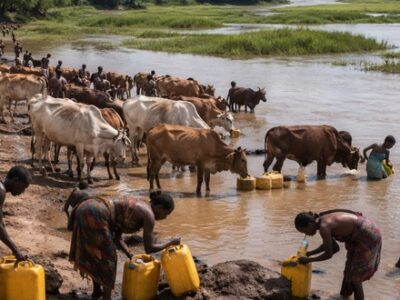
Rivers across Ethiopia play a vital role in supplying water for domestic use, agriculture, livestock, and industry. However, increasing population growth, urban expansion, and agricultural activities have raised concerns about water quality in several river basins.
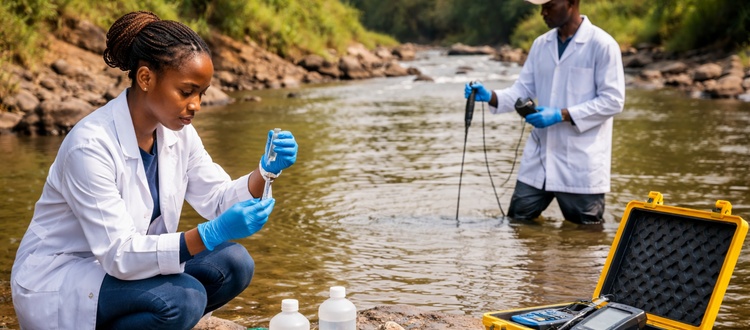
Water quality monitoring is an essential process used by engineers and environmental specialists to assess the condition of rivers and ensure that water resources remain safe for human use and ecological health. Regular monitoring helps detect pollutants, track changes in water chemistry, and identify potential environmental risks.
In Ethiopia, major river systems such as the Awash, Abay (Blue Nile), Omo, and Baro rivers are monitored through field sampling and laboratory analysis. Scientists and engineers measure key indicators such as pH levels, turbidity, dissolved oxygen, temperature, and nutrient concentrations to understand the overall condition of the water.
These measurements provide valuable information for water resource planning and pollution control. For example, identifying sources of contamination can help authorities implement better waste management practices and protect downstream communities that rely on these rivers.
Modern technologies such as portable water quality sensors, remote monitoring systems, and geospatial analysis are increasingly being used to support water quality management in Ethiopia.
Protecting river water quality is essential not only for public health but also for maintaining healthy ecosystems and supporting sustainable development across the country.