Irrigation Development
Irrigation Development Expanding Agricultural Potential in Ethiopia
Ethiopia continues to expand its irrigation infrastructure as part of its strategy to strengthen food security and improve agricultural productivity. One of the notable initiatives is the Megech Irrigation Development Project, located near Gondar in northern Ethiopia.
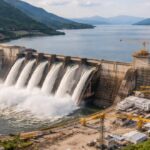
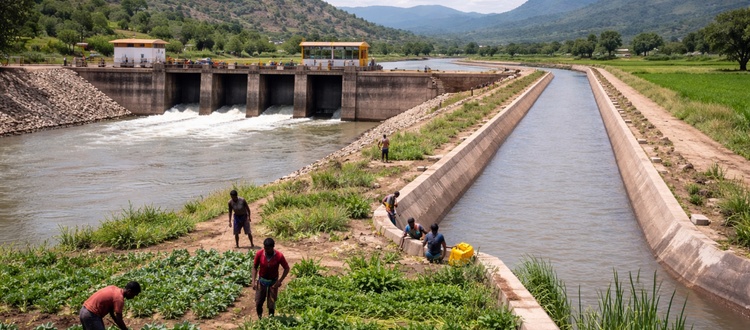
The project reached a major milestone when engineers successfully diverted the Megech River, marking an important stage in the construction of the irrigation system. Once fully completed, the scheme is expected to irrigate approximately 17,000 hectares of agricultural land, supporting thousands of farmers and improving crop production in the region.
Large irrigation projects like Megech are designed to reduce dependence on seasonal rainfall by providing a reliable supply of water for farming. The infrastructure includes diversion structures, canals, reservoirs, and distribution systems that allow water to be delivered efficiently to agricultural fields.
In addition to improving agricultural yields, irrigation development contributes to rural employment, food security, and economic resilience. By expanding irrigated agriculture, Ethiopia aims to transform its agricultural sector and reduce the vulnerability of farmers to drought and climate variability.
Modern irrigation systems, supported by hydrological studies and engineering expertise, are becoming increasingly important in Ethiopia’s long-term water management strategy.