Water Scarcity
Water Scarcity and Safe Drinking Water in the Omo Valley
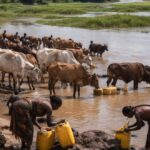
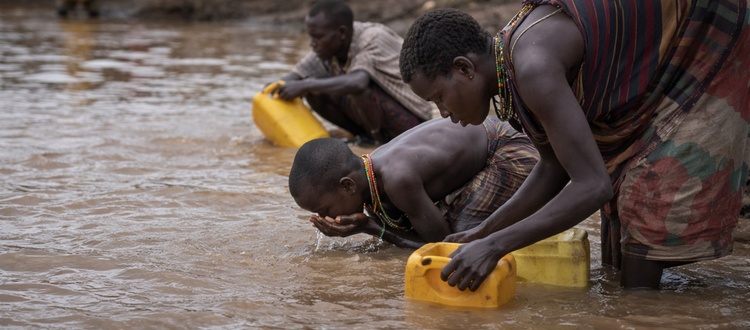
Across the Omo Valley in southern Ethiopia, access to safe drinking water remains one of the most pressing challenges facing local communities. In many rural areas, families rely directly on river water or seasonal streams for their daily needs. During dry periods, these sources often become scarce or contaminated, forcing communities to travel long distances in search of water.
The Omo River is a lifeline for millions of people living in the region. However, the quality of water available to local populations varies significantly depending on season, location, and environmental conditions. In several communities, untreated surface water is still the primary source of drinking water.
Drinking directly from rivers or open water sources exposes populations to a range of health risks, including waterborne diseases. Children are particularly vulnerable to these conditions, which can significantly affect public health and local development.
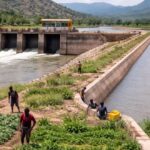
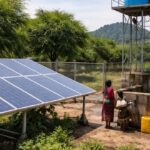
Sustainable solutions require a combination of hydrological understanding, appropriate infrastructure, and community-centered planning. Small-scale water treatment systems, groundwater development, protected wells, and improved water distribution networks can play a crucial role in improving access to safe drinking water.
Engineering expertise and local knowledge must work together to design solutions that are both technically sound and socially sustainable. Addressing water scarcity in regions like the Omo Valley is not only a technical challenge — it is also an opportunity to support healthier communities and long-term development.
Our team continues to follow developments in the region and to explore engineering solutions that can contribute to safe, reliable, and sustainable water access for rural populations.